
The Ultimate Guide to Camping in National Parks Across America
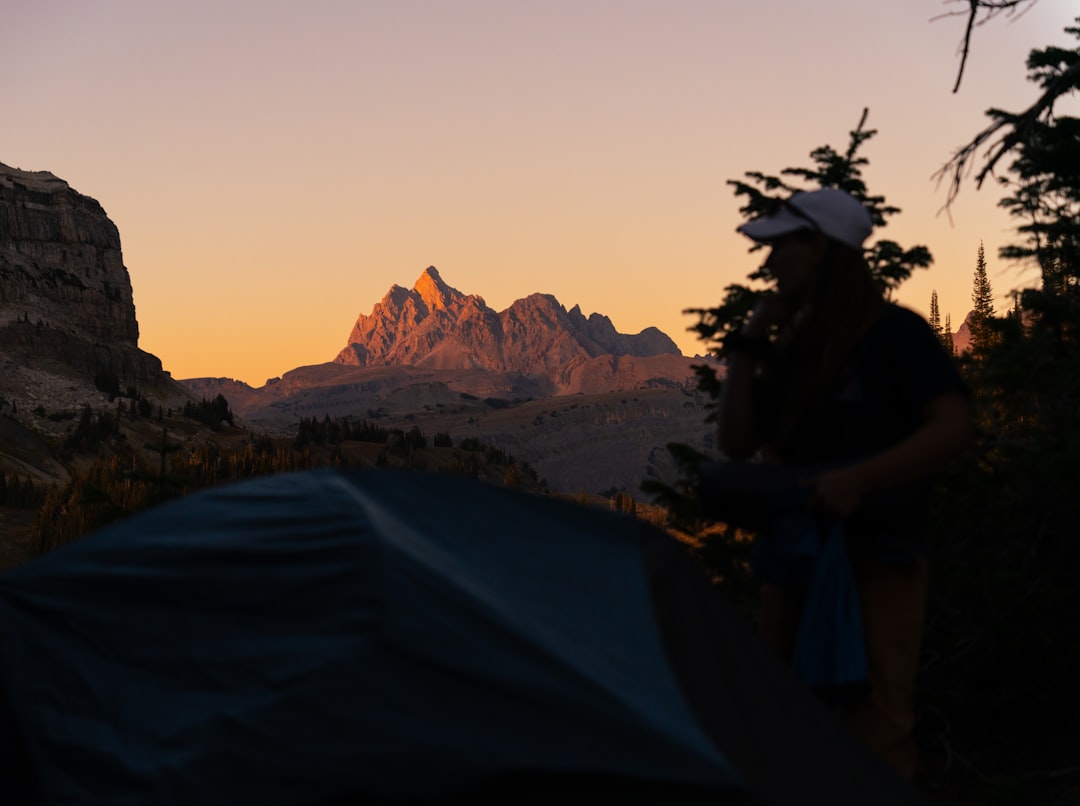
Camping in national parks across America offers a unique opportunity to connect with nature while enjoying the great outdoors. With diverse landscapes ranging from majestic mountains to serene lakes, each park provides a distinct experience that caters to various interests. Whether you are an experienced camper or a novice, understanding the ins and outs of camping in these natural wonders can enhance your adventure and ensure a memorable trip.
Choosing the Right National Park
When selecting a national park for your camping adventure, consider what type of environment you wish to explore. Parks like Yellowstone and Yosemite are renowned for their stunning vistas and abundant wildlife, making them ideal for those seeking breathtaking scenery and outdoor activities. Alternatively, if you prefer a more tranquil setting, parks such as Acadia or the Great Smoky Mountains offer peaceful landscapes and a chance to unwind amidst nature.
Additionally, think about the time of year you plan to visit. Each park has its peak seasons, which can affect crowd sizes and availability of campsites. Researching the best times to visit can help you avoid the rush and enjoy a more intimate experience with nature. Remember that some parks may have specific regulations regarding camping, so it’s essential to familiarize yourself with these guidelines before your trip.
Essential Camping Gear
Having the right camping gear is crucial for a successful trip. A high-quality tent, sleeping bag, and cooking equipment are fundamental items that can significantly impact your comfort and safety. Investing in durable and weather-resistant gear will ensure that you are prepared for various conditions, whether it’s rain, wind, or chilly nights. Additionally, consider packing a first aid kit, a reliable flashlight, and a portable charger for your devices.
Moreover, don’t forget about personal items such as clothing suitable for outdoor activities. Layering is key, as temperatures can fluctuate throughout the day. Comfortable hiking boots and moisture-wicking clothing will enhance your experience, allowing you to explore the park without discomfort. Lastly, bring along a reusable water bottle to stay hydrated and reduce plastic waste during your adventure.
Planning Your Itinerary
Creating a well-structured itinerary can help you make the most of your camping experience. Start by identifying the key attractions and activities you wish to explore within the park. Many national parks offer ranger-led programs, guided hikes, and educational workshops that can enrich your visit. Incorporating these activities into your schedule can provide valuable insights into the park’s ecology and history.
Additionally, allow for flexibility in your plans. While it’s great to have a general outline of your days, unexpected discoveries often lead to the most memorable experiences. Whether it’s stumbling upon a hidden waterfall or encountering wildlife, being open to spontaneity can enhance your connection with nature and create lasting memories.
Safety and Conservation Practices
Safety should always be a priority when camping in national parks. Familiarize yourself with the park’s wildlife and potential hazards, such as bears or snakes, and learn how to respond appropriately in case of an encounter. Carry bear spray if you are in bear country and know how to store food securely to avoid attracting wildlife to your campsite.
Moreover, practicing Leave No Trace principles is essential for preserving the beauty of national parks for future generations. This includes packing out all trash, minimizing campfire impact, and respecting wildlife by observing from a distance. By being a responsible camper, you contribute to the conservation of these natural treasures and ensure that they remain pristine for others to enjoy.
Emerging Trends in Camping
As we look toward the upcoming year, two notable trends are emerging in the camping landscape. First, there is a growing interest in eco-friendly camping practices, with more campers seeking sustainable gear and practices that minimize their environmental impact. This trend reflects a broader societal shift towards sustainability and conservation, encouraging campers to be more mindful of their footprint.
Secondly, technology is playing an increasingly significant role in enhancing the camping experience. From apps that help locate campsites to gadgets that improve safety and convenience, the integration of technology is making camping more accessible and enjoyable. As these trends continue to evolve, they will shape the future of camping in national parks, offering new opportunities for adventure and connection with nature.